

Maximize Savings With Strategic Managed Print Efficiencies

Many businesses overspend on their printing costs without realizing it. This blog post will explore strategic managed print efficiencies, including assessing your current print costs and implementing cost-effective print strategies. By collaborating with managed print solutions providers and leveraging technology, businesses can enhance customer satisfaction and improve data security while reducing expenses on ink and other resources. Engaging with this content will help business owners understand how to streamline their print processes and achieve significant savings.
Understanding Strategic Managed Print Efficiencies

Managed Print Services (MPS) focus on improving efficiency and sustainability in print operations while utilizing cloud storage and digitization strategies. A well-defined strategy is crucial for optimizing these print operations, addressing challenges commonly found in unmanaged printing environments. This section will outline the benefits of MPS, the importance of strategic planning, and the pitfalls of neglecting print management.
Defining Managed Print Services and Their Benefits
Managed Print Services (MPS) represent a comprehensive print management solution that helps organizations optimize their printing processes while reducing costs. By outsourcing document management and print operations, businesses can streamline procurement and improve workflow efficiency. Additionally, MPS initiatives often incorporate strategies to lower the carbon footprint, ultimately supporting sustainability goals while maximizing savings on overall printing expenses.
The Role of Strategy in Optimizing Print Operations
A well-defined strategy plays a pivotal role in optimizing print operations through managed print services. By utilizing print management software, businesses can enhance efficiency, improve print quality, and streamline logistics, ultimately reducing waste and costs. Moreover, adopting environmentally friendly practices within the strategy not only supports sustainability goals but also resonates with clients and stakeholders who value responsible corporate practices.
Challenges of Unmanaged Printing Environments
Unmanaged printing environments present significant challenges that can hinder operational efficiency and increase costs. Without a structured approach, businesses often face issues such as excessive waste, lack of automation, and outdated firmware, all of which impede productivity and limit innovation. By neglecting to optimize print processes, organizations may inadvertently miss opportunities for savings and fail to implement effective strategies that benefit both their bottom line and their commitment to sustainability.
Assessing Your Current Print Costs and Efficiency
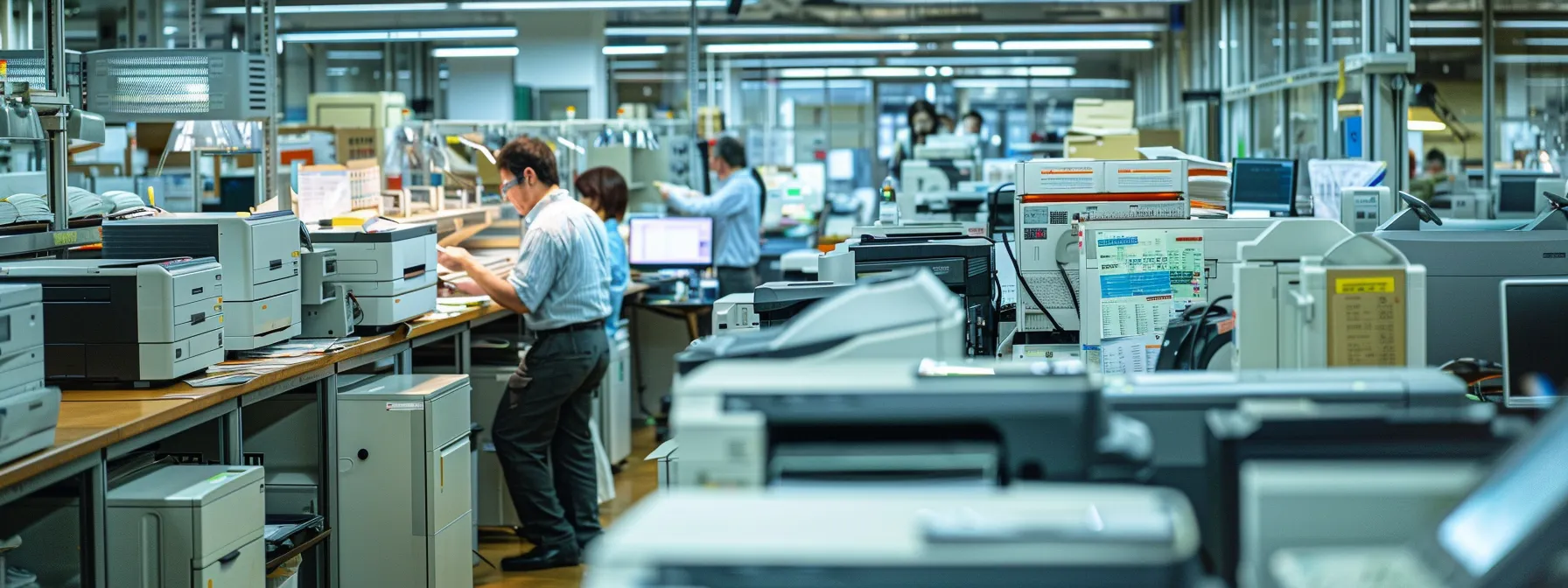
Assessing print costs and efficiency involves identifying hidden expenses, including toner prices and maintenance fees, which can escalate operational budgets. Evaluating equipment utilization helps pinpoint underperforming devices and assess duplex printing practices. Additionally, analyzing workflows for bottlenecks and redundancies uncovers areas for troubleshooting and recycling, ultimately enhancing productivity and maximizing savings throughout print operations.
Identifying Hidden Expenses in Print Processes
Identifying hidden expenses in print processes is essential for effective print management solutions. Businesses often overlook costs related to laser printer maintenance, regulatory compliance, and inefficient printing behavior, which can significantly impact the bottom line. By evaluating the scalability of current print operations, organizations can uncover these hidden expenses, streamline workflows, and implement cost-saving measures that enhance overall efficiency and compliance in print management.
Evaluating Equipment Utilization and Performance
Evaluating equipment utilization and performance is essential for optimizing workflow and reducing risk within an organization’s print infrastructure. By analyzing each print job and identifying underused devices, businesses can implement a clear strategy that maximizes the use of existing resources while minimizing unnecessary costs. This evaluation process not only highlights ineffective equipment but also allows for adjustments that can streamline operations and enhance overall efficiency, thereby contributing to significant savings over time.
Analyzing Workflow for Bottlenecks and Redundancies
Analyzing workflows for bottlenecks and redundancies is essential in the journey toward a more efficient print environment. In the context of office printing, organizations often encounter delays due to underutilized equipment or disorganized processes that disrupt productivity. By focusing on these areas, businesses can transition towards a paperless office model, enhance fleet management efficiency, and ensure better accessibility to important documents, all while maintaining rigorous information privacy standards.
Implementing Cost-Effective Print Strategies
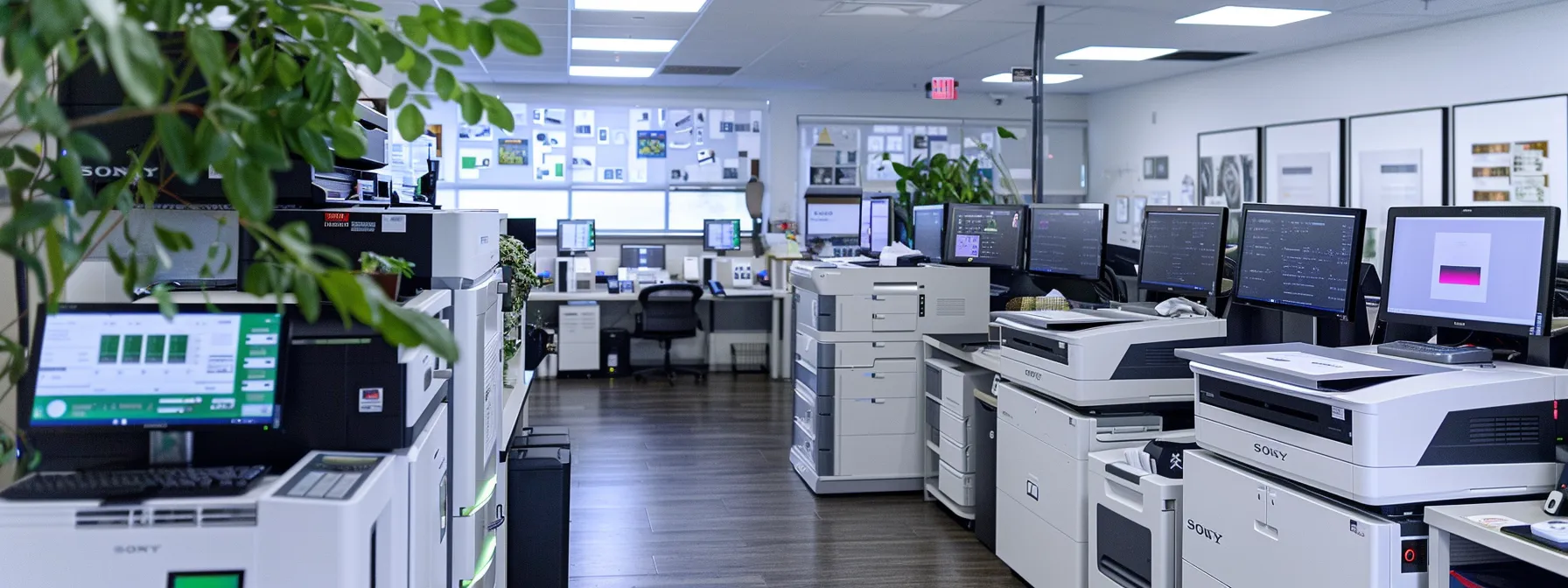
Implementing cost-effective print strategies is essential for maximizing savings through enterprise print management. Consolidating devices can enhance resource management, while establishing print policies helps reduce waste. Adopting energy-efficient printing practices supports sustainability, and encouraging digital alternatives advances digital transformation. Each of these strategies contributes to effective print fleet management and routing systems, ultimately improving operational efficiency.
Consolidating Devices for Better Resource Management
Consolidating devices can significantly improve resource management by reducing operational costs and enhancing efficiency. By employing analytics to track printing behaviors and usage patterns, businesses can make informed decisions about device utilization, ultimately streamlining supply chains and minimizing the number of underused printers. This approach not only supports cost management but also enhances customer service by ensuring that printing resources are effectively aligned with business needs, resulting in faster response times and improved overall performance.
Establishing Print Policies to Reduce Waste
Establishing print policies is essential for reducing waste and optimizing resources within an organization. By implementing clear guidelines on when to use print solutions and encouraging the use of electronic documents, businesses can significantly cut down on unnecessary paper usage. For instance, integrating digital signatures can streamline document workflows, reducing the reliance on printed materials and minimizing the environmental impact while also helping to manage server resources efficiently.
Adopting Energy-Efficient Printing Practices
Adopting energy-efficient printing practices is a critical component of effective print management services that can lead to significant cost savings for businesses. By integrating cloud computing solutions, organizations can optimize print operations and improve energy consumption by routing print jobs to the most efficient devices available. Additionally, using mobile devices to manage printing needs allows employees to print when necessary and avoid unnecessary output, further supporting sustainability goals while enhancing overall productivity.
Encouraging Digital Alternatives Where Possible
Encouraging digital alternatives within an organization is an effective strategy to maximize savings and enhance efficiency in printing workflows. By implementing a clear policy that promotes the use of digital documents over traditional color printing, businesses can significantly reduce paper consumption and associated costs. Utilizing tools such as predictive maintenance can further improve this approach by ensuring that equipment remains in optimal condition, thus minimizing downtime and enhancing productivity across the organization.
Leveraging Technology to Optimize Print Efficiency

Utilizing print management software solutions allows businesses to streamline their print services while maximizing savings. Monitoring usage with real-time analytics not only aids in efficient management but also helps customers understand their printing habits. Automated supplies replenishment and maintenance ensure that workflows remain uninterrupted, while user authentication systems enhance security through encryption, protecting sensitive information. These components are essential for an effective managed print strategy to optimize efficiency.
Utilizing Print Management Software Solutions
Utilizing a print management system enhances productivity by streamlining printing tasks and offering comprehensive data analysis of usage patterns. Organizations can perform audits to identify inefficiencies and make informed decisions about resource allocation, ultimately reducing waste. By capturing and managing document processes more effectively, businesses not only optimize their print environments but also achieve significant cost savings that align with their overall efficiency goals.
Monitoring Usage With Real-Time Analytics
Monitoring usage with real-time analytics is essential for understanding and optimizing print operations in any office environment. By analyzing data on document imaging and identifying patterns, businesses can effectively manage desk printer usage and implement strategies like duplex printing to reduce waste significantly. Furthermore, integrating user authentication systems can enhance security and help pinpoint individual printing behaviors, allowing companies to make informed decisions that lead to cost savings and improved efficiency.
Automating Supplies Replenishment and Maintenance
Automating supplies replenishment and maintenance is a pivotal aspect of effective print management that can significantly reduce downtime and operational costs. By utilizing advanced software solutions, organizations can monitor their printer supplies in real-time, automatically ordering toner and other materials before they run out. This process not only enhances efficiency but also alleviates the burden on help desk teams, allowing them to focus on more critical tasks while ensuring that printers remain operational throughout December and beyond.
Enhancing Security With User Authentication Systems
Enhancing security with user authentication systems is a critical component of Managed Print Services that can significantly reduce the risk of unauthorized access to sensitive documents. By implementing secure login protocols for end users, businesses can ensure that only authorized personnel can access print functions, thereby safeguarding confidential information and reducing inventory loss. Additionally, this approach minimizes downtime caused by security breaches, allowing organizations to maintain a seamless workflow while maximizing savings through improved operational efficiency.
Collaborating With Managed Print Service Providers

Collaboration with Managed Print Service providers is essential for maximizing savings and efficiency in print operations. Selecting a provider that aligns with business goals ensures that services are customized for tailored efficiency gains. Training staff promotes smooth implementation, while ongoing support and continuous improvement help to maintain optimal performance. For businesses looking for reliable solutions, Contact 1800 Office Solutions to get started.
Selecting a Provider That Aligns With Business Goals
Selecting a Managed Print Service provider that aligns with business goals is fundamental for maximizing savings and efficiency in printing operations. Organizations should seek a partner who understands their specific operational needs and can tailor solutions accordingly. By assessing potential providers based on their expertise, customer service quality, and ability to deliver measurable results, businesses can ensure that their print management strategy not only reduces costs but also enhances overall productivity.
Customizing Services for Tailored Efficiency Gains
Customizing services with a Managed Print Service provider enables organizations to achieve tailored efficiency gains tailored to their unique operational requirements. By collaborating closely with providers, businesses can assess their specific printing habits and needs, allowing for the development of strategic solutions that streamline workflows and reduce waste. For instance, implementing targeted print policies or optimizing device placement can significantly cut operational costs while enhancing productivity across the organization.
Training Staff for Smooth Implementation
Training staff is a crucial step in ensuring smooth implementation of Managed Print Services. By providing employees with clear guidance on new print policies and the efficient use of print management software, businesses can enhance productivity and reduce operational disruptions. Regular training sessions not only empower staff to navigate the updated system effectively but also foster a culture of compliance and awareness around waste reduction and cost savings associated with strategic managed print efficiencies.
Ongoing Support and Continuous Improvement
Ongoing support and continuous improvement are critical components of a successful Managed Print Services (MPS) partnership. By maintaining regular communication with providers, businesses can access valuable insights into their printing operations, allowing for the identification of areas that require enhancement. This proactive approach ensures that companies continuously adapt their strategies, leveraging the latest technologies and practices to maximize savings and reduce waste in their print management processes.
Measuring Results and Sustaining Savings

Tracking Key Performance Indicators (KPIs) is essential for measuring the effectiveness of Managed Print Services in maximizing savings. Calculating Return on Investment (ROI) provides insights into financial benefits, while adjusting strategies based on data insights ensures ongoing improvement. Planning for future growth and technological advances equips organizations to adapt, promoting sustained efficiencies and savings in their print operations.
Tracking Key Performance Indicators (KPIs)
Tracking Key Performance Indicators (KPIs) is essential for businesses implementing Managed Print Services (MPS) to ensure they are maximizing savings and improving efficiency. By monitoring metrics such as print volume, cost per page, and energy consumption, organizations can gain insights into their print operations and make informed decisions to enhance performance. Regularly reviewing these KPIs allows businesses to identify areas for improvement, implement targeted strategies, and adjust their print management practices to sustain optimal efficiency over time.
Calculating Return on Investment (ROI)
Calculating Return on Investment (ROI) is crucial for businesses seeking to understand the financial impact of their Managed Print Services (MPS). By analyzing the initial costs associated with implementing MPS and comparing them against the savings generated through reduced printer usage, lower maintenance costs, and enhanced efficiency, organizations can gain clear insights into their investment performance. For example, a business that sees a significant decline in printing expenses over time can effectively justify the initial expenditure on strategic print management, ensuring a sustainable approach to cost savings.
Adjusting Strategies Based on Data Insights
Adjusting strategies based on data insights is fundamental for refining managed print services and sustaining long-term savings. By continuously analyzing printing metrics, businesses can identify trends and areas for improvement, allowing them to make informed decisions regarding device utilization and workflow optimization. For instance, if data reveals an increase in color printing where black-and-white would suffice, organizations can implement policies that guide employees toward more cost-effective printing choices, ultimately enhancing efficiency and reducing expenses.
Planning for Future Growth and Technological Advances
Planning for future growth and technological advances is essential for businesses seeking to maximize savings through Managed Print Services (MPS). By regularly assessing print strategies and aligning them with evolving technology, organizations can ensure their print infrastructure remains efficient and adaptable. For example, transitioning toward cloud-based solutions and integrating enhanced mobile printing capabilities not only improves accessibility but also positions businesses to leverage advancements in print technology, ultimately driving sustained efficiency and cost savings.
Conclusion
Maximizing savings through strategic managed print efficiencies is essential for businesses aiming to streamline operations and reduce costs. By implementing effective print management services, organizations can identify hidden expenses, optimize equipment utilization, and adopt energy-efficient practices. Customizing print strategies and leveraging technology ensures ongoing improvements and sustainability in print operations. Ultimately, a proactive approach to managed print services empowers businesses to achieve significant savings while enhancing productivity and overall operational efficiency.